What to Expect During a Professional Roof Inspection in Duluth, GA
If you have never scheduled a professional roof inspection before, the process can feel unfamiliar. Knowing what inspectors look for and how to prepare can help you get the most out of the experience. This guide walks Duluth homeowners through every step of a thorough roof inspection, from what happens on the roof to what shows up in the final report.
Written by Alex Calder, owner of Best Duluth Roofer and a licensed roofing contractor serving Gwinnett County since 2016. Alex holds certifications from GAF and has personally inspected hundreds of roofs across the Duluth area. For questions, call us at (470) 888-0030.
Why Roof Inspections Matter in Georgia’s Climate
Duluth sits in Georgia’s humid subtropical climate zone, which means your roof endures a punishing combination of summer heat, heavy thunderstorms, occasional hail, and winter freeze-thaw cycles. These conditions can quietly degrade roofing materials over months and years without any obvious signs from the ground.
A professional inspection catches problems early, when they are still inexpensive to fix, rather than after they have caused interior water damage, mold growth, or structural deterioration.
Essential Components of a Duluth Roof Inspection
A comprehensive roof inspection in Duluth typically covers the following key areas:
1. Structural Integrity Evaluation
- Assessment of roof framing, rafters, and trusses for signs of sagging or damage
- Inspection of engineered truss systems in newer suburban developments
- Evaluation of load-bearing capacity, especially for older homes that may have had materials added over time
2. Roofing Material Analysis
- Detailed examination of shingles for curling, cracking, blistering, or granule loss
- Assessment of flashing around chimneys, skylights, vents, and roof valleys
- Evaluation of ridge caps, drip edges, and boot covers around pipe penetrations
3. Moisture Detection
- Inspection for water stains, soft spots, and signs of leaks in the attic
- Assessment of moisture levels using professional-grade moisture meters
- Checking for vapor and condensation issues caused by Duluth’s high humidity
4. Energy Efficiency and Ventilation Assessment
- Evaluation of attic insulation levels and condition
- Analysis of attic ventilation (ridge vents, soffit vents, gable vents) to ensure proper airflow
- Checking for signs of ice damming potential or heat buildup
5. Exterior and Environmental Check
- Inspection for wind damage and storm-related wear
- Assessment of UV degradation, which is common in Georgia’s intense sun
- Evaluation of debris accumulation from overhanging trees, which is prevalent in many Duluth neighborhoods
Inspection Techniques Used by Duluth Roofers
Professional roofers in the Duluth area use a combination of hands-on inspection and technology:
Visual and Hands-On Inspection
The inspector will walk the roof (when safe to do so) and visually examine every section. They will check for soft or spongy decking underfoot, look at every flashing joint, and examine the condition of each penetration point. In the attic, they will look for daylight coming through the roof deck, water stains on rafters, and mold or mildew growth.
Drone-Assisted Inspections
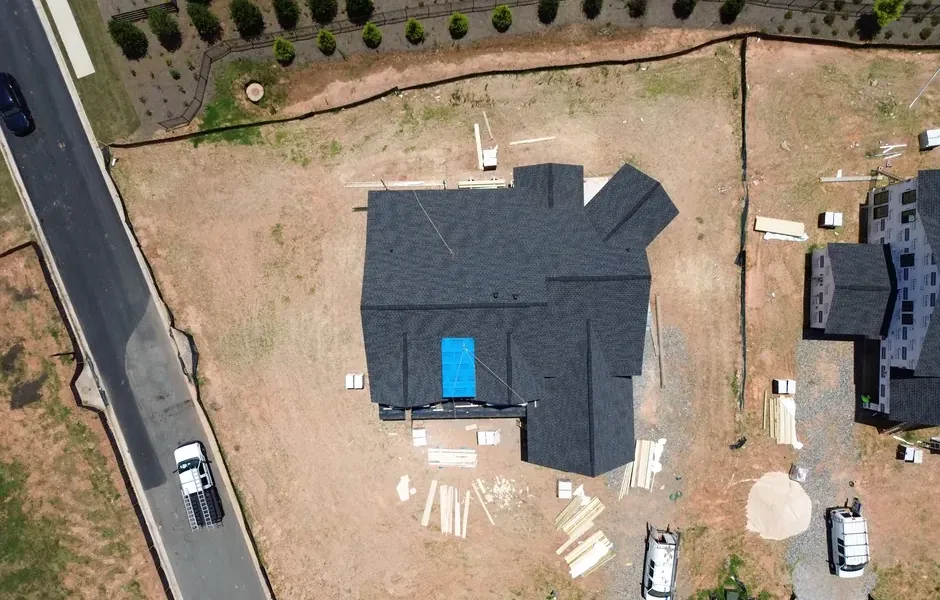
For steep roofs, multi-story homes, or situations where walking the roof is not safe, many Duluth roofers now use drones equipped with high-resolution cameras. This allows for close-up imagery of hard-to-reach areas without risking damage to aging materials.
Infrared and Moisture Scanning
Some inspections include infrared thermography, which can reveal hidden moisture beneath roofing materials. This is especially useful in Duluth’s humid climate, where moisture can become trapped in the roof system without any visible exterior signs.
What Inspectors Look for in Duluth Specifically
Storm Damage Signs
Given that Gwinnett County regularly experiences severe thunderstorms from spring through fall, inspectors pay close attention to:
- Missing or lifted shingles from wind events
- Hail impact marks on shingles, gutters, and metal flashing
- Debris damage from fallen branches
Heat and Humidity Damage
Georgia summers are brutal on roofing materials. Inspectors check for:
- Shingle blistering and thermal cracking
- Premature granule loss from UV exposure
- Deteriorated caulk and sealant around penetrations
Drainage Issues
Duluth gets about 54 inches of rain per year. Proper water management is critical:
- Gutter condition and proper attachment
- Downspout placement and flow direction
- Signs of standing water or improper drainage on low-slope sections
How to Prepare for Your Roof Inspection
Taking a few simple steps before your inspection helps the process go smoothly:
- Gather documentation: Compile any previous inspection reports, repair records, and warranty information
- Clear access: Make sure the inspector can reach the attic easily. Clear any stored items away from the attic hatch or pull-down stairs
- Note known issues: Write down any problems you have noticed, such as interior water stains, drafts, or areas where you have seen daylight from the attic
- Trim vegetation: If possible, cut back any branches that are touching or overhanging the roof
- Secure pets: Keep dogs and other pets inside or in a fenced area so the inspector can work safely around the exterior
Understanding Your Inspection Report
After the inspection, you should receive a detailed report that includes:
- Overall roof condition rating: An honest assessment of your roof’s current state
- Photos: Documentation of any damage, wear, or areas of concern
- Prioritized repair recommendations: What needs attention now versus what can wait
- Estimated remaining lifespan: Based on the current condition and materials
- Cost estimates for recommended repairs: So you can plan and budget accordingly
A good inspector will walk you through the findings and answer your questions. Never feel pressured into immediate repairs; a reputable roofer gives you time to make informed decisions.
When Should Duluth Homeowners Schedule Inspections?
We recommend inspections at these key times:
- Spring (March-April): After winter to check for freeze-thaw damage and prepare for storm season
- Fall (October-November): After summer storms and before winter weather arrives
- After any major storm: Even if you do not see visible damage from the ground, hail and wind can cause hidden problems
- Before buying or selling a home: A roof inspection is a smart investment that can reveal issues before they become negotiation problems
- When your roof is 15+ years old: Older roofs need more frequent monitoring to catch age-related deterioration
How Much Does a Roof Inspection Cost in Duluth?
Many reputable roofing companies in Duluth, including Best Duluth Roofer, offer free roof inspections for homeowners. A free inspection typically covers all the essentials described above and comes with a written report.
If you need a more specialized inspection, such as one for an insurance claim or a real estate transaction, there may be a fee involved, but it is usually modest compared to the cost of undetected damage.
Schedule Your Free Inspection Today
Your roof is your home’s first line of defense against Georgia’s demanding climate. Regular professional inspections are the single best way to protect your investment, catch problems early, and avoid expensive emergency repairs.
If you are a homeowner in Duluth or anywhere in Gwinnett County and want peace of mind about your roof’s condition, call Best Duluth Roofer at (470) 888-0030 or schedule your free inspection online. We will give you an honest assessment with no pressure and no obligation.