5 Warning Signs You Need Roof Repair in Duluth, GA
Your roof does not always give obvious signals when something is wrong. By the time you see water dripping from the ceiling, the underlying damage may have been developing for months. Georgia’s combination of intense summer heat, heavy rainfall, severe storms, and humidity makes Duluth roofs particularly susceptible to gradual wear and sudden damage alike.
Here are the five most important warning signs every Duluth homeowner should watch for, along with practical guidance on what to do when you spot them.
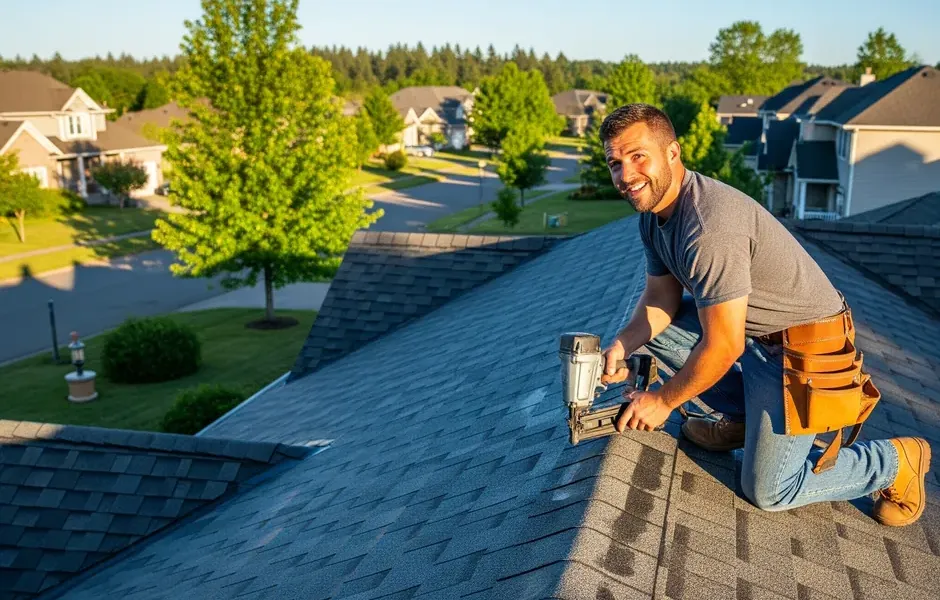
Written by Alex Calder, owner of Best Duluth Roofer and a licensed roofing contractor serving Gwinnett County since 2016. Alex works directly with homeowners on every project and specializes in storm damage repair and full roof replacements across the Duluth area. Reach us at (470) 888-0030.
Warning Sign 1: Damaged, Missing, or Curling Shingles
This is the most visible indicator that your roof needs attention. Walk around your property and look up at the roof from multiple angles. What you are looking for:
- Missing shingles: Bare patches where shingles have blown off, leaving the underlayment or decking exposed
- Curling shingles: Edges that are lifting, cupping, or curling away from the roof surface
- Cracked shingles: Visible splits or fractures in the shingle material
- Blistering: Raised bumps on shingle surfaces caused by trapped moisture or poor ventilation
Why This Happens in Duluth
Georgia summers regularly push temperatures above 90 degrees, and roof surface temperatures can exceed 150 degrees. This intense heat causes asphalt shingles to dry out, lose flexibility, and crack. Add in thunderstorms with 60+ mph wind gusts, and shingles that are already weakened by heat are much more likely to lift or tear away.
What to Do
A few damaged shingles can usually be replaced individually, which is a straightforward repair. However, if you are seeing widespread curling or cracking across large sections of the roof, it may indicate that the shingles have reached the end of their lifespan and a more comprehensive solution is needed.
Warning Sign 2: Granules Accumulating in Your Gutters
Asphalt shingles are coated with mineral granules that protect them from UV radiation and add fire resistance. Over time, these granules wear away. Finding some granules in your gutters is normal, especially after a new roof installation. However, a significant or increasing amount of granule accumulation is a warning sign.
Why This Matters
Once shingles lose their granule coating, the underlying asphalt is exposed to direct sunlight. This accelerates deterioration dramatically. In Duluth’s climate, a shingle that has lost most of its granules may fail years earlier than expected.
What to Do
Check your gutters and downspout discharge areas after heavy rains. If you are consistently finding piles of dark granules, have a professional inspect the roof. They can determine whether the granule loss is localized (repairable) or widespread (potentially requiring replacement).
Warning Sign 3: Sagging Roof Sections
A roof should have straight, even lines along the ridge and edges. If you notice any areas that appear to dip, sag, or bow, this is a serious structural concern that demands immediate professional evaluation.
Common Causes in Duluth
- Prolonged water infiltration: Slow leaks that go undetected can saturate the roof decking, causing it to rot and lose structural integrity
- Inadequate ventilation: Poor attic ventilation traps heat and moisture, which weakens decking and rafters over time
- Excessive weight: Layers of old roofing material (some homes have two or three layers of shingles) can exceed the structure’s design load
- Storm damage: Severe weather events can damage rafters or trusses that support the roof
What to Do
Do not delay on this one. A sagging roof can indicate that the structural members supporting your roof are compromised. Call a professional roofer immediately. They may need to work with a structural engineer to assess the full extent of the issue and develop a repair plan.
Warning Sign 4: Interior Water Stains and Moisture
Sometimes the most telling signs of roof trouble are inside your home. Look for:
- Brown or yellowish water stains on ceilings: Even if the stain is dry, it means water made its way through the roof at some point
- Peeling paint on upper floors: Moisture from above causes paint to lose adhesion
- Damp spots on walls near the roofline: Water can travel sideways along rafters before dripping down
- Mold or mildew in the attic: Black spots on attic sheathing or rafters signal chronic moisture problems
- Musty odors upstairs: Persistent dampness creates unmistakable smells
Why This Is Urgent in Georgia
Duluth’s humidity means that once moisture gets into your home’s structure, it does not dry out quickly. This creates ideal conditions for mold growth, which can become a health hazard and spread rapidly. What starts as a small leak can become a mold remediation project costing several thousand dollars if left unchecked.
What to Do
Document the damage with photos, then call a roofing professional. The visible damage inside often does not correspond to the leak’s entry point on the roof; water can travel considerable distances before showing up on your ceiling. A professional can trace the leak path and fix the actual source.
Warning Sign 5: Rising Energy Bills Without Explanation
If your heating and cooling costs are climbing and you have not changed your usage habits, your roof may be the culprit. A compromised roof allows conditioned air to escape and outside air to infiltrate, forcing your HVAC system to work harder.
How Your Roof Affects Energy Efficiency
- Damaged or missing shingles allow heat transfer through the exposed areas
- Poor attic ventilation traps extreme heat in summer, radiating it into living spaces
- Deteriorated insulation from moisture intrusion loses its R-value
- Gaps around penetrations (vents, pipes, chimneys) allow air exchange
What to Do
If you have ruled out HVAC problems, have your roof and attic inspected. An energy-conscious roofer can identify where your roof system is losing efficiency and recommend targeted repairs. Sometimes improving ventilation and replacing damaged insulation is enough. In other cases, the shingles themselves need to be addressed.
Should You Repair or Replace?
This is the question every homeowner with roof problems eventually faces. Here is a practical framework:
Repair Makes Sense When:
- The damage is limited to a small area (less than 30% of the roof)
- Your roof is less than 15 years old
- The underlying decking is sound
- The issue is isolated (one leak source, localized storm damage)
- Your roof has only one layer of shingles
Replacement Makes Sense When:
- Multiple areas of the roof show damage or wear
- The roof is 20+ years old
- You are finding problems in different locations repeatedly
- The decking is rotted or damaged in multiple spots
- You already have two or more layers of shingles
- Repair costs would exceed 30-40% of the cost of a new roof
A trustworthy roofer will give you an honest recommendation. If repair is the right call, they will tell you. If replacement makes more financial sense, they will explain why.
What Roof Repairs Cost in the Duluth Area
Here are typical repair costs for common issues in Gwinnett County:
| Repair Type | Estimated Cost Range |
|---|---|
| Shingle replacement (small area) | $200 - $500 |
| Flashing repair or replacement | $300 - $800 |
| Vent boot replacement | $150 - $350 |
| Minor leak repair | $250 - $600 |
| Decking repair (per sheet) | $200 - $500 |
| Full roof replacement (average home) | $8,000 - $15,000 |
Prices vary based on roof size, pitch, accessibility, and materials. These are ballpark figures for the Duluth market as of early 2026.
How to Choose a Roof Repair Contractor in Duluth
Not all roofers are created equal. Here is what to look for:
- Georgia state licensing: Verify that the contractor holds a valid Georgia roofing license
- Insurance: Confirm both general liability and workers’ compensation coverage
- Local references: Ask for references from homeowners in Duluth or Gwinnett County
- Written estimates: Get everything in writing before work begins
- Warranty details: Understand what is covered, for how long, and what could void the warranty
- No high-pressure tactics: A reputable roofer gives you time to make decisions
Take Action Before Small Problems Become Big Ones
Every one of the warning signs above is your roof telling you something. The earlier you respond, the simpler and less expensive the fix. Ignoring roof problems in Duluth’s climate is not a viable strategy; Georgia weather will always find and exploit any weakness.
If you have noticed any of these warning signs, call Best Duluth Roofer at (470) 888-0030 for a free inspection. We will tell you exactly what we find, what it will cost to fix, and whether repair or replacement is the smarter move for your situation.
Schedule your free roof inspection today and get ahead of the problem.